Light, Quiet, Home: Designing Tranquility With Illumination

Join us as we explore lighting design principles that create a calm, refined ambiance at home, blending layered illumination, warm color temperatures, controlled contrast, and thoughtful dimming to invite comfort after busy days. We will translate technical ideas into graceful details you can try tonight, using materials that soften edges, scenes that support nightly rituals, and choices that let conversations slow, eyes relax, and rooms feel beautifully composed without ever shouting for attention.

Brightness Ratios That Feel Natural

Try a practical rule: keep tasks roughly three times brighter than their immediate surroundings, and the brightest accents no more than ten times your ambient level. This simple guide prevents the jarring effect of a lonely spotlight in a dark field. Pair multiple low-intensity sources instead of one intense lamp, and your eyes will move effortlessly, finding focus without strain. The result feels intuitive, elegant, and surprisingly restful for long evenings at home.

Gentle Shadows, Never Harsh Voids

Shadows are beautiful when their edges are soft and their depths are moderate. Use diffused shades, wall washing, and bounced light to create gradients that flatter faces and materials. Harsh voids usually come from naked bulbs or tight beam downlights in otherwise dim rooms. Replace those with shielded luminaires and indirect illumination, and notice how objects gain volume, corners breathe, and textures reveal themselves with calm confidence rather than high-contrast drama that tires the eyes.

Color Rendering That Calms the Senses

High color rendering keeps wood warm, skin tones healthy, and textiles nuanced, which subtly reduces cognitive dissonance and helps the body relax. Aim for CRI 90 or higher, with strong deep red representation for natural complexion. When colors look authentic, your mind does less correction, attention stays grounded, and the space feels trustworthy. Pair accurate light with restrained contrast, and the room achieves a refined kind of serenity that supports conversation, reading, and slow, satisfying meals.

Layering Light for Depth Without Noise

A quiet home rarely relies on a single overhead source. Instead, it blends ambient, task, and accent layers so each purpose feels supported without shouting. Ambient establishes tone, task adds precision where needed, and accent supplies subtle narrative for art, plants, and architectural rhythms. When all three layers dim and balance together, the space reads as coherent and breathable, offering depth without clutter. The result is effortless sophistication that remains inviting throughout day and night.

Ambient That Breathes Around You

Use cove lighting, perimeter wall washing, or shaded floor lamps to place most light near surfaces instead of blasting down onto heads. Gentle envelope lighting around 100 to 300 lux feels calm for evenings, especially when dimmable. Because the ceiling stays darker than walls, rooms appear taller and more open. This soft field becomes your visual baseline, allowing tasks and art to emerge gracefully rather than compete. Every step through the space feels measured, confident, and composed.

Task Lighting With Graceful Precision

Deliver focused light where hands and eyes work hardest, but keep the sources shielded, flexible, and dedicated. Swing-arm lamps, under-cabinet strips, and aimed reading lights protect the ambient calm while giving you clarity for cooking, knitting, writing, or puzzles. When a lamp has a dimmer or two-step switch, you can fine-tune intensity to match time of day. The effect feels like whispers of help instead of commands, keeping concentration high without breaking the room’s quiet mood.

Accent Points That Whisper, Not Shout

Accents should guide curiosity, not demand attention. Graze a textured wall, backlight a shelf, or add a soft uplight behind a plant to create depth and a sense of gentle discovery. Keep accent brightness limited relative to ambient to avoid spectacle. A few carefully placed beams bring proportion and rhythm, making evenings feel curated yet natural. People instinctively lean in, noticing details and stories without squinting. The room feels edited, elegant, and welcoming for unhurried conversations.

Warmth, Temperature, and the Rhythm of Time
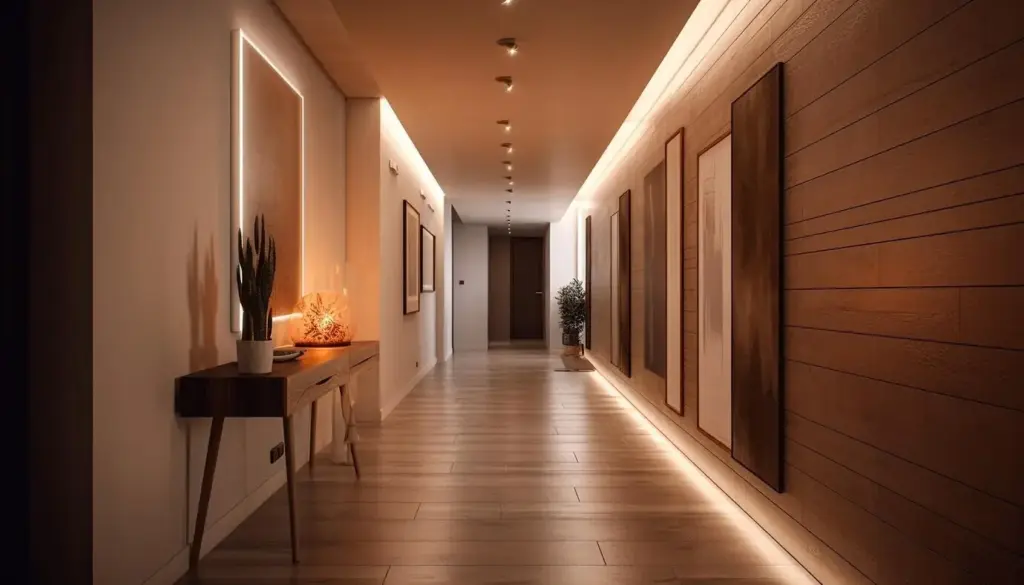
Color temperature anchors mood. Warmer white in the evening signals rest, while slightly cooler light during active hours supports alertness. You can subtly guide circadian comfort by selecting sources that shift from 3000K in daytime toward 2700K or even 2200K at night. Dim-to-warm lamps make this effortless, lowering output while deepening warmth. Rather than chasing brightness, you tune tone and pace, setting the home’s emotional metronome. Over time, these cues become rituals that calm the mind.

Controls, Dimmers, and Rituals That Soothe

Controls are not merely gadgets; they are choreography for calm. A few thoughtful scenes can carry you from work to companionship to sleep without abrupt transitions. Smooth dimming prevents flicker fatigue, while tactile switches and clear labels invite everyone to use the system easily, including guests and children. When you set a predictable pattern each evening, the body recognizes safety and permission to unwind. Your home becomes a supportive partner that anticipates quieter moods before you ask.

Materials, Finishes, and the Art of Glare Control

Diffusion That Flatters People and Surfaces

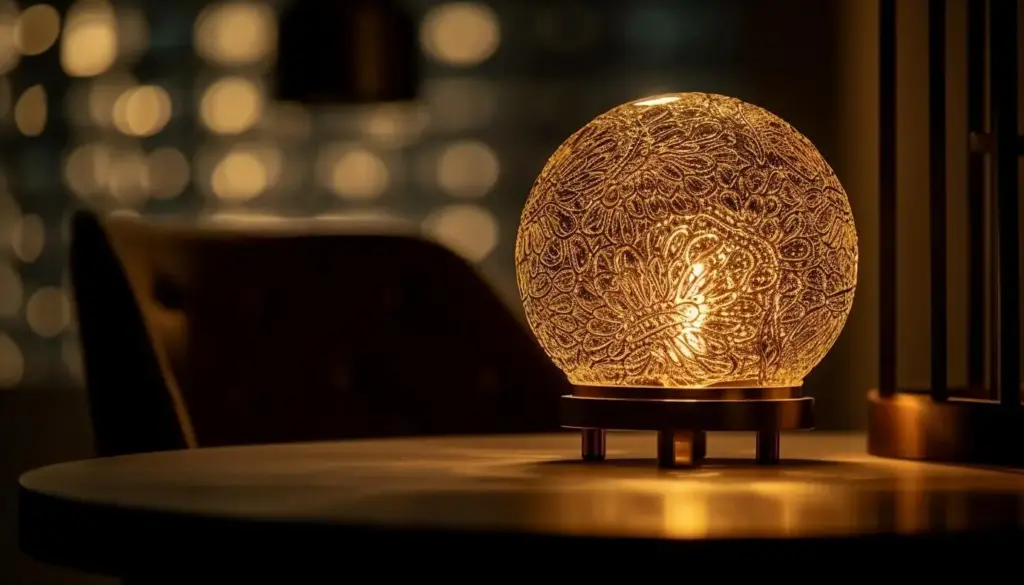
Soft materials act like translators, turning small points of LED light into calm fields. Opal glass globes, diffusing lenses, and fabric shades create even gradients that flatter faces and wood grain. For utility areas, microprismatic diffusers reduce glare without stripping character. Place these elements where eyes commonly glance, like seating zones and counters. You will notice fewer shiny hotspots, better photographs without harsh specular highlights, and an overall sensation of tactility that feels beautifully human.

Reflectance and Color in the Background

Walls and ceilings are giant reflectors, so treat them with care. Pale, matte finishes bounce light smoothly, increasing perceived brightness without extra wattage. Warm neutrals stabilize the palette, allowing wood, stone, and textiles to glow without clashing. If a room feels moody, add a lighter tone to a strategic plane rather than cranking up lumens. The background determines how calm the foreground reads, turning simple fixtures into elegant performers through thoughtful, quiet partnerships with surrounding materials.

Shielding, Aiming, and Comfortable Sightlines
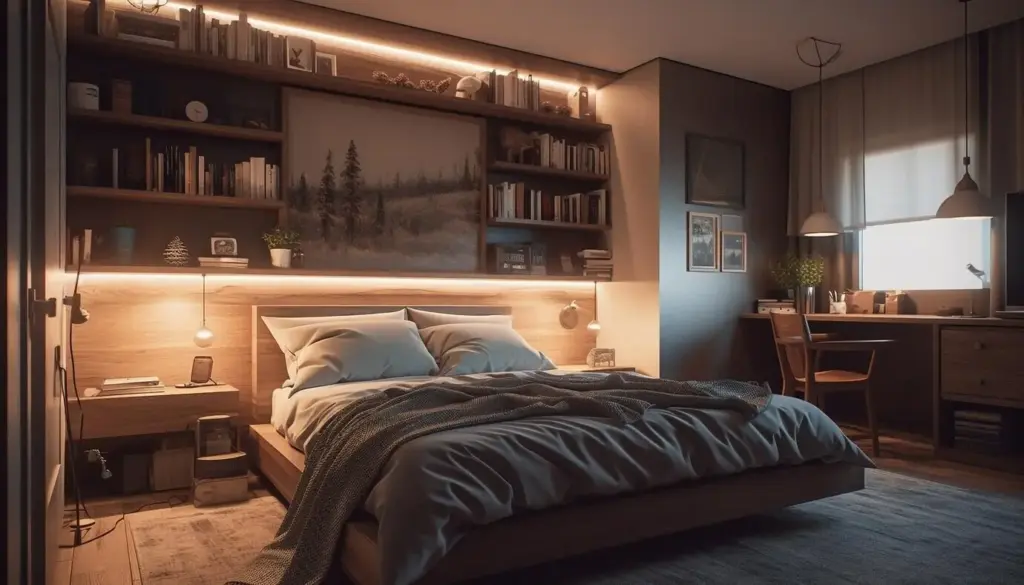
Choose fixtures with baffles, louvers, or deep recessing so the light source remains hidden unless you stand directly under it. Aim beams away from seated eye levels and toward surfaces that benefit from glow, like art, books, or textured walls. Cutoff angles near thirty degrees help keep brightness off the retina while preserving useful light. This subtle geometry eliminates glare-induced frowns, replacing them with relaxed foreheads and a sense of invitation that gently anchors attention where it matters.

Room-by-Room Calm: A Practical Walkthrough

Each space deserves its own recipe. The living room asks for warm layers that support conversation and reading, the bedroom for velvety darkness with respectful bedside control, the kitchen for clear counters softened by under-cabinet glow, and the dining area for candlelike storytelling over meals. Rather than copying a catalog, we tune brightness, temperature, and direction to habits. The map below offers flexible guidance you can adapt, experiment with, and refine as your routines evolve gracefully.

A Small Apartment Quietly Transformed

A couple in a noisy block replaced one blinding ceiling fixture with three low-glare layers: a shaded floor lamp for ambient, a compact reading sconce by the sofa, and a soft uplight behind a fig tree. They added a dim-to-warm bulb and two simple scenes. Within days, arguments dropped, dinners lingered, and bedtime slid earlier. Nothing extravagant changed, but their nervous systems found rhythm. Stories like this remind us that gentle light can reshape everyday life.

Care, Consistency, and Easy Wins

Match color temperature across sightlines to avoid patchwork. Replace burned-out or mismatched bulbs promptly, and clean diffusers so light remains even and comfortable. Check that dimmers and lamps are compatible, especially at low levels. If something feels off, start by simplifying: fewer sources, better diffusion, and clearer scenes. These small acts protect your investment and maintain tranquility. Share your quick fixes and lessons with our community so others benefit from insights earned in real homes.
Fivekinopoxavararo
Privacy Overview

This website uses cookies so that we can provide you with the best user experience possible. Cookie information is stored in your browser and performs functions such as recognising you when you return to our website and helping our team to understand which sections of the website you find most interesting and useful.